

Finding a turtle available for sale can be an amazing trip right into the world of chelonian companionship. These stunning reptiles make remarkable family pets, supplying years of loyal friendship with correct treatment. Whether you're looking for a mild giant Aldabra or a spectacular radiated types, comprehending what makes a top quality tortoise purchase is crucial for both your contentment and your future family pet's wellbeing.
The tortoise market has progressed substantially, with more alternatives than ever before to purchase tortoise online from moral dog breeders that focus on animal health. However, not all vendors keep the exact same criteria. This detailed guide will certainly stroll you with everything you require to know before bringing home your shelled good friend, from species option to health confirmation, ensuring you make an enlightened choice that benefits both you and your new companion.
Recognizing Different Tortoise Species Available
Popular Species in Today's Market
The variety of varieties readily available when you look for a turtle to buy can really feel frustrating. Here's what differentiates the most desired options:
Sulcata Tortoises
Third-largest tortoise varieties globally
Hardy and versatile to numerous climates
Can reach 100+ pounds at maturity
Lifespan: 70-100 years
Perfect for skilled caretakers with space
The cream color sulcata turtle available stands for a rare shade morph featuring cream-colored shells as opposed to the regular brown. These specimens command costs rates because of their rarity and striking appearance.
Aldabra Tortoises
Giant varieties from Seychelles islands
Second-largest turtle worldwide
Weight: 350-550 pounds when fully grown
Calls for significant exterior habitat
Life expectancy exceeds 100 years
When you find an aldabra tortoise to buy, verify the seller has appropriate CITES documents, as these are safeguarded species needing particular licenses.
Radiated Tortoises
Seriously jeopardized Madagascar citizens
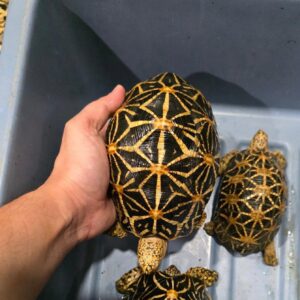
Spectacular star-pattern shells
Smaller sized size: 12-16 inches
Highly social personalities
Stringent legal requirements for possession
Any type of emitted tortoise up for sale should feature total documents proving lawful captive reproduction. Never ever purchase wild-caught samplings.
Unusual Color Morphs Worth Knowing
Real albino turtle available stands for the pinnacle of turtle reproducing success. These genetic marvels attribute:
Complete absence of melanin coloring
Pink or red eyes
White or cream-colored coverings
Extreme rarity in the marketplace
Costs financial investment worth
Albino turtles need customized treatment consisting of UV security and careful temperature monitoring.
✅ What to Look for When You Buy Tortoise Online
Health Indicators Every Buyer Must Check
Purchasing reptiles remotely requires vigilance. Here's your necessary list:
Physical Health Signs:
Eyes: Clear, alert, no discharge or swelling
Covering: Firm without soft places, pyramiding, or cracks
Nostrils: Dry without any bubbling or mucus
Weight: Appropriate for dimension and age
Task Level: Alert and responsive to stimulations
Skin: No sores, lumps, or discoloration
Questions to Ask Sellers:
What's the turtle's hatching date and beginning?
What's the existing diet regimen and feeding schedule?
Can you provide current vet records?
What are your health and wellness assurances?
Exactly how will delivery be dealt with?
Are you qualified and USDA signed up?
Paperwork Requirements
Genuine sellers give:
Mentions certificates (for relevant types).
Health and wellness certificates from qualified reptile veterinarians.
Lineage details proving captive reproduction.
Treatment sheets details to the varieties.
Shipping insurance coverage information.
Get in touch with information for post-purchase assistance.
Advantages of Purchasing From Reputable Breeders.
Pros of Buying Quality Tortoises.
Benefits:.
Health And Wellness Assurance: Properly began children with recognized consuming practices.
Genetic Quality: Bred for vigor and desirable qualities.
Specialist Support: Lifetime support from experienced dog breeders.
Legal Compliance: All needed permits and paperwork.
Honest Standards: No wild-caught specimens harming populations.
Investment Value:.
Quality tortoises from reliable resources keep worth and even value, specifically rare morphs like ivory sulcatas or true albinos.
Possible Challenges to Consider.
Disadvantages:.
Greater Initial Cost: Quality reproducing commands reasonable costs.
Waiting Lists: Best breeders often have lengthy appointment checklists.
Shipping Stress: Remote purchases call for careful transportation.
Long-term Commitment: These pet dogs outlive most other pets.
Space Requirements: Many types need substantial habitats.
Step-by-Step Purchase Process.
Exactly How to Successfully Buy Your Tortoise.
Step 1: Research Your Ideal Species.
Match the turtle to your climate, space, and experience degree. Mediterranean varieties match temperate climates, while exotic varieties require warmed atmospheres year-round.
Step 2: Budget Appropriately.
Beyond acquisition rate, consider:.
Habitat configuration: $300-$ 2,000+.
Yearly food costs: $200-$ 500.
Veterinary treatment: $150-$ 400 annual.
Heating/lighting: $100-$ 300 yearly.
Action 3: Locate Reputable Breeders.
Use these resources:.
Turtle Forum dog breeder recommendations.
Reptile expos and programs.
USDA accredited dog breeder directory sites.
Species-specific clubs and associations.
Step 4: Verify Credentials.
Confirm service licenses, USDA registration, and consumer reviews across numerous systems.
Tip 5: Arrange Safe Shipping.
Credible breeders ship just when weather condition allows, usually in between 40-85 ° F.
They make use of:. Protected shipping boxes.
Warm or cool packs as needed.
Overnight distribution solutions.
Live arrival guarantees.
Step 6: Prepare Your Habitat.
Have everything all set prior to arrival:.
Ideal enclosure dimension.
Correct substrate.
Warm and UVB lighting.
Water and food recipes.
Hide boxes and enrichment.
Specialist Insights on Tortoise Selection.
Real-World Wisdom from 20+ Years in Chelonian Care.
After 20 years collaborating with tortoises, I've observed that brand-new keepers do well most when they:.
Begin Appropriately: Begin with sturdy varieties like Russian or Hermann's turtles rather than delicate ranges needing experienced care.
Prioritize Age: Yearling tortoises (8-12 months old) use the wonderful place between fragile hatchlings and expensive grownups. They've shown their stability while remaining inexpensive.
Browse through When Possible: Nothing replaces seeing your potential family pet in individual. Tortoise shows and expositions allow you communicate prior to devoting.
Sign Up With Communities First: Spend time in tortoise online forums and social networks teams prior to purchasing. The expertise you'll gain avoids expensive mistakes.
One customer insisted on acquiring an emitted turtle in spite of residing in a north environment. Within months, the home heating costs exceeded $200 regular monthly. She at some point rehomed the pet. Matching varieties to your environment and way of life isn't optional-- it's ethical obligation.
Ensuring Long-term Success.
Crucial Care Factors.
Environmental Requirements:.
Temperature Gradients: Basking areas 95-100 ° F, amazing side 75-80 ° F.
UVB Lighting: Essential for calcium metabolic rate, change every 6-12 months.
Humidity Control: Species-specific, ranging from 40-80%.
Substrate Choices: Avoid cedar, yearn, or corn cob.
Nutritional Essentials:.
90% dark leafy environment-friendlies and vegetables.
5% fruits (treats only).
5% protein (for some varieties).
Calcium supplements 3-4 times once a week.
Fresh water daily.
Health Monitoring:.
Schedule yearly vet exams with reptile specialists. View for:.
Breathing concerns (hissing, nasal discharge).
Covering troubles (soft spots, uncommon development).
Parasites (typical in new purchases).
Metabolic bone condition (shell defects).
Verdict.
Locating the excellent tortoise for sale needs research, perseverance, and dedication to moral investing in techniques. Whether you're attracted to the remarkable dimension of an Aldabra, the spectacular patterns of a radiated turtle, or the special elegance of ivory and albino morphs, prioritizing health and wellness and lawful conformity makes sure a rewarding long-lasting relationship with your shelled companion.
Keep in mind: when you get tortoise online, you're not just purchasing a pet dog-- you're approving duty for a living being that might outlast you. Select reliable dog breeders, validate all documentation, prepare properly, and dedicate to giving exceptional care. Your thoroughness today establishes your tortoise's top quality of life for years to come.
All set to invite a tortoise into your family members? Beginning by linking with well established breeders, signing up with tortoise areas, and developing the excellent environment. Your ancient friend is waiting! ✨.
❓ FAQ Schema Section.
Q1: How a lot does a turtle available typically set you back?
A: Tortoise prices range from $100-$ 300 for typical types like Russian or Greek turtles, $200-$ 800 for sulcatas, and $1,500-$ 5,000+ for uncommon types or morphs like radiated tortoises, aldabras, or real albinos. Shade morphs and proven breeding adults command costs costs.
Q2: Is it risk-free to purchase tortoise online?
A: Yes, when buying from credible, USDA-licensed dog breeders who provide health warranties, correct documentation, and safe overnight delivery with live arrival warranties. Always validate dog breeder credentials and evaluations before purchasing.
Q3: What permits do I require to own certain tortoise types?
A: Requirements differ by types and area. Emitted and aldabra turtles require CITES paperwork. Some states need licenses for particular species. Always confirm government and state laws before buying, and ensure your seller supplies all essential legal paperwork.
Q4: How long do tortoises live as animals?
A: Most turtle varieties live 50-100+ years with correct treatment. Smaller varieties like Russians might live 40-60 years, while titans like aldabras and sulcatas commonly exceed 100 years. This makes them lifetime commitments calling for estate preparation.
Q5: What's the distinction between captive-bred and wild-caught tortoises?
A: Captive-bred turtles are healthier, adjusted to bondage, parasite-free, and legal. Wild-caught specimens are commonly prohibited, stressed, parasite-laden, and harm wild populaces. Always select captive-bred tortoises from recorded dog breeders-- never ever sustain wild collection.